Pathways to Change

Digital Courses

PPD

  • Support and practical tools for postpartum depression and emotional stability.

PTSD 2

  • Deeper trauma recovery skills: triggers, relationships, and sustainable coping plans.

Depression and Mood Disorders

  • Stability-focused tools for mood, motivation, routines, and hope-building practices.

Family History, Trauma

  • Understand family patterns, heal generational wounds, and set healthier boundaries.

First Responders

  • Support for cumulative stress, trauma exposure, and resilience for those who serve.

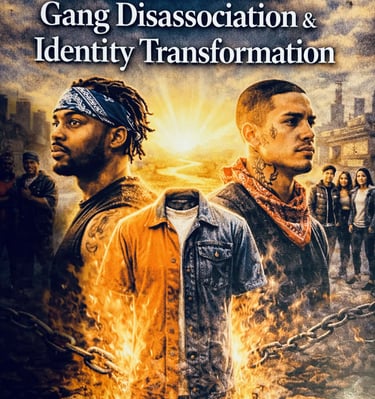
Gang Disassociation

  • Identity shift, safer connections, and lasting separation from gang life.

Relapse Prevention

  • Plan ahead: high-risk situations, coping skills, supports, and recovery maintenance.

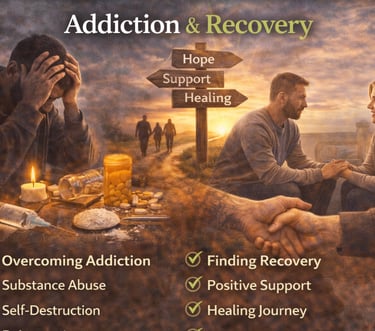
Addictive Behavior

  • Address compulsions and habit loops with practical replacement behaviors and accountability.

Note: Content here is supportive and educational. For emergencies or immediate danger, contact local emergency services.

Anger Management

  • Learn triggers, de-escalation tools, and healthy responses under pressure.

Anger Management 2

  • Advanced anger skills: communication, boundaries, and rebuilding trust after conflict.

Alcohol & Drugs

  • Recovery-focused skills, cravings management, and building a sober routine.

Cognitive Behavioral Thinking

  • Identify thought patterns, challenge distortions, and practice healthier choices.

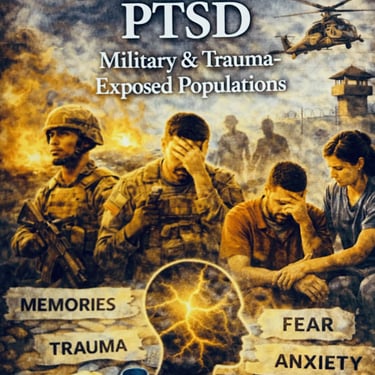
PTSD

  • Trauma-informed tools for grounding, regulation, and rebuilding a sense of safety.

Gambling Addiction

  • Break the cycle: urges, financial harm reduction, and accountability supports.

Choose Wisely

  • Decision-making tools that strengthen judgment, impulse control, and long-term thinking.
Digital Course

Digital rehabilitation is changing the way real transformation happens—because growth doesn’t come from inspiration alone. It comes from structure, repetition, and accountability. A digital rehabilitation app delivers guided courses directly to the learner in a clear, step-by-step format, making it easier to stay consistent, review lessons anytime, and build momentum over time. Progress tracking shows exactly what has been completed, what’s in progress, and what still needs attention—turning change into a measurable path instead of a vague goal. For staff, mentors, and support teams, that visibility adds trust and oversight. For the participant, it creates motivation, direction, and proof of effort.

Anger Management

Learn triggers, de-escalation tools, and healthy responses under pressure.

PTSD

Trauma-informed tools for grounding, regulation, and rebuilding a sense of safety.

Gang Disassociation

Identity shift, safer connections, and lasting separation from gang life.

Addiction & Recovery

Address compulsions and habit loops with practical replacement behaviors and accountability.